
Tooth Extraction Coventry
Sometimes a tooth can't be saved and needs to be removed. We make the process as comfortable and stress-free as possible, using gentle techniques and effective anaesthetic.
"Had an extraction with Abdul - no pain or discomfort, absolutely brilliant. I actually enjoy visiting my dentist. Highly recommend these wonderful, dedicated professionals."
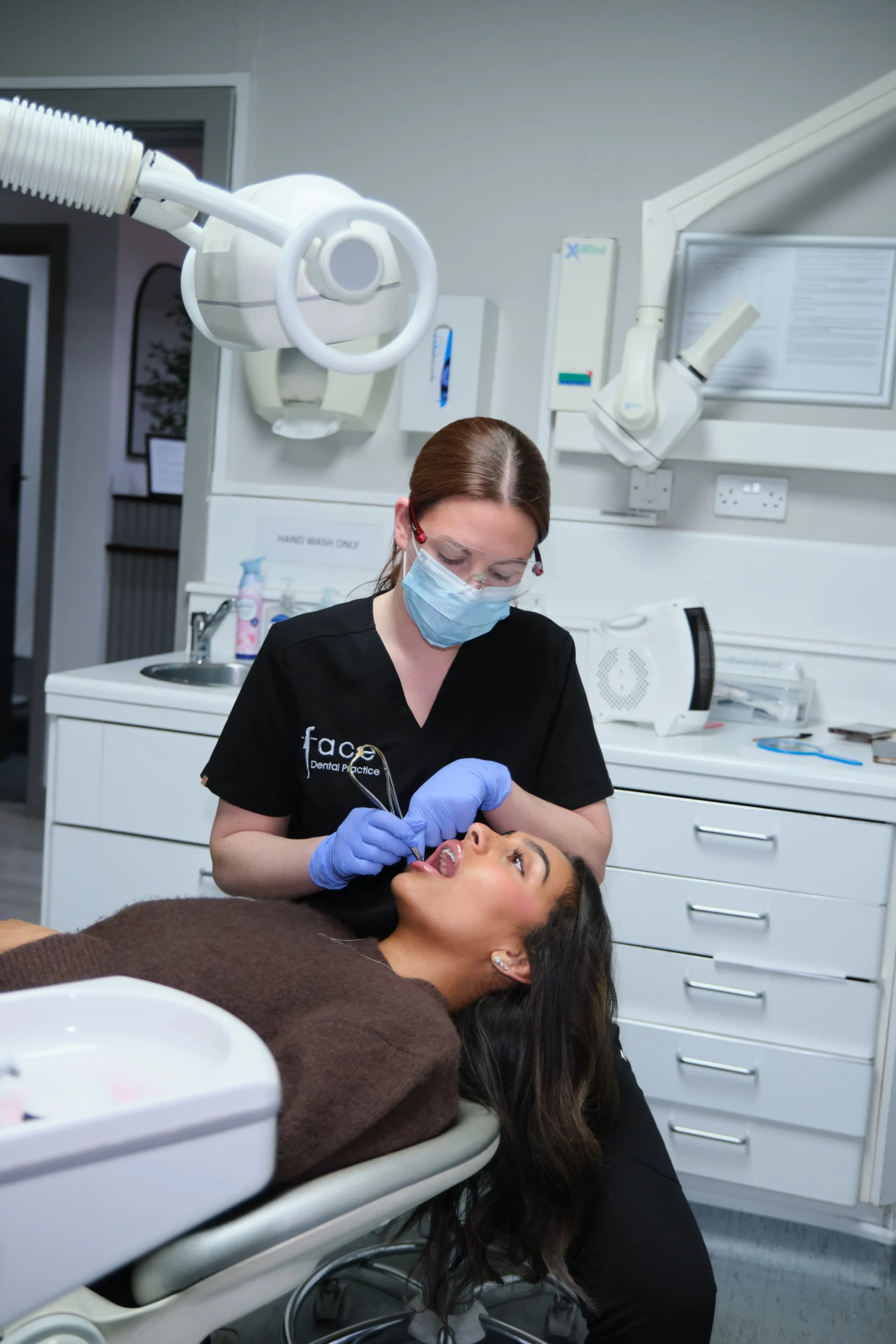
"Had an extraction with Abdul - no pain or discomfort, absolutely brilliant. I actually enjoy visiting my dentist. Highly recommend these wonderful, dedicated professionals."
What is tooth extraction?
Tooth extraction is the removal of a tooth that can't be saved. Whether it's severe decay, infection, crowding, or a broken tooth beyond repair, we use modern techniques and effective anaesthetic to make the process as comfortable as possible.
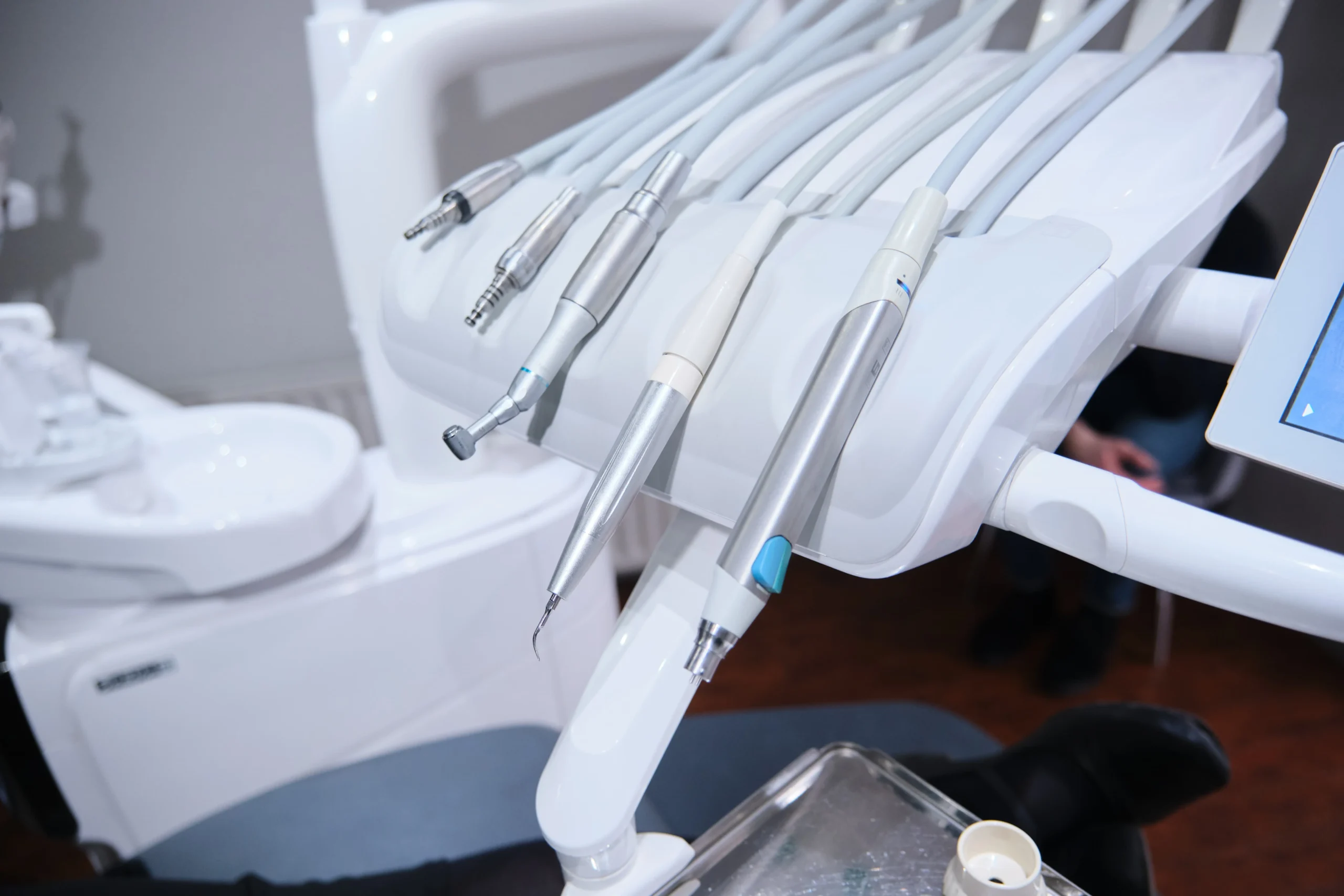
There are two main types of extraction. Simple extractions are for teeth we can see and access easily - we numb the area, loosen the tooth, and remove it. Surgical extractions are for teeth that haven't fully erupted or have broken below the gum line, requiring a small incision.
With modern anaesthetics and gentle techniques, most patients are surprised by how straightforward the process is.
You won't feel pain during the procedure - just some pressure as we work. We'll explain everything beforehand, answer your questions, and give you clear aftercare instructions to ensure a smooth recovery.
When you might need an extraction
We always try to save a tooth when possible, but sometimes extraction is the best option for your long-term oral health.
 01
01
Severe tooth decay
When decay has damaged too much of the tooth structure to save with a filling or crown, extraction prevents the infection from spreading to surrounding teeth and bone.
 02
02
Dental abscess
If infection has reached the tooth's pulp and root canal treatment isn't viable, extraction eliminates the source of infection and stops the pain.
 03
03
Impacted wisdom teeth
Wisdom teeth that can't fully emerge or are growing at an angle can cause pain, infection, and damage to adjacent teeth. Removal prevents these complications.
 04
04
Overcrowding
Before orthodontic treatment, we sometimes need to remove a tooth to create space for the others to move into proper alignment, especially in severe crowding cases.
 05
05
Broken beyond repair
Teeth severely fractured from trauma or injury that can't be restored with bonding, crowns, or other treatments need to be removed to protect your oral health.
 06
06
Advanced gum disease
When gum disease has progressed and loosened a tooth significantly, extraction may be necessary to prevent bone loss and maintain the health of neighbouring teeth.
What to expect step by step
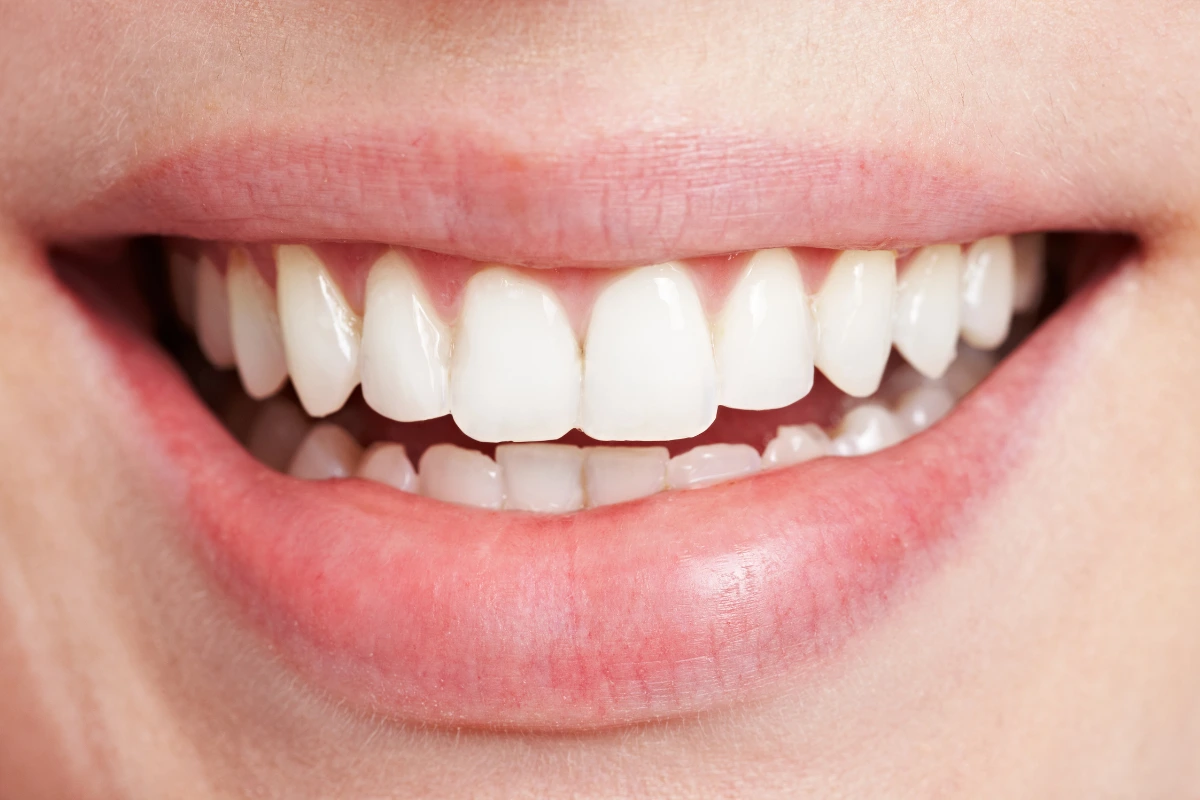
Consultation & examination
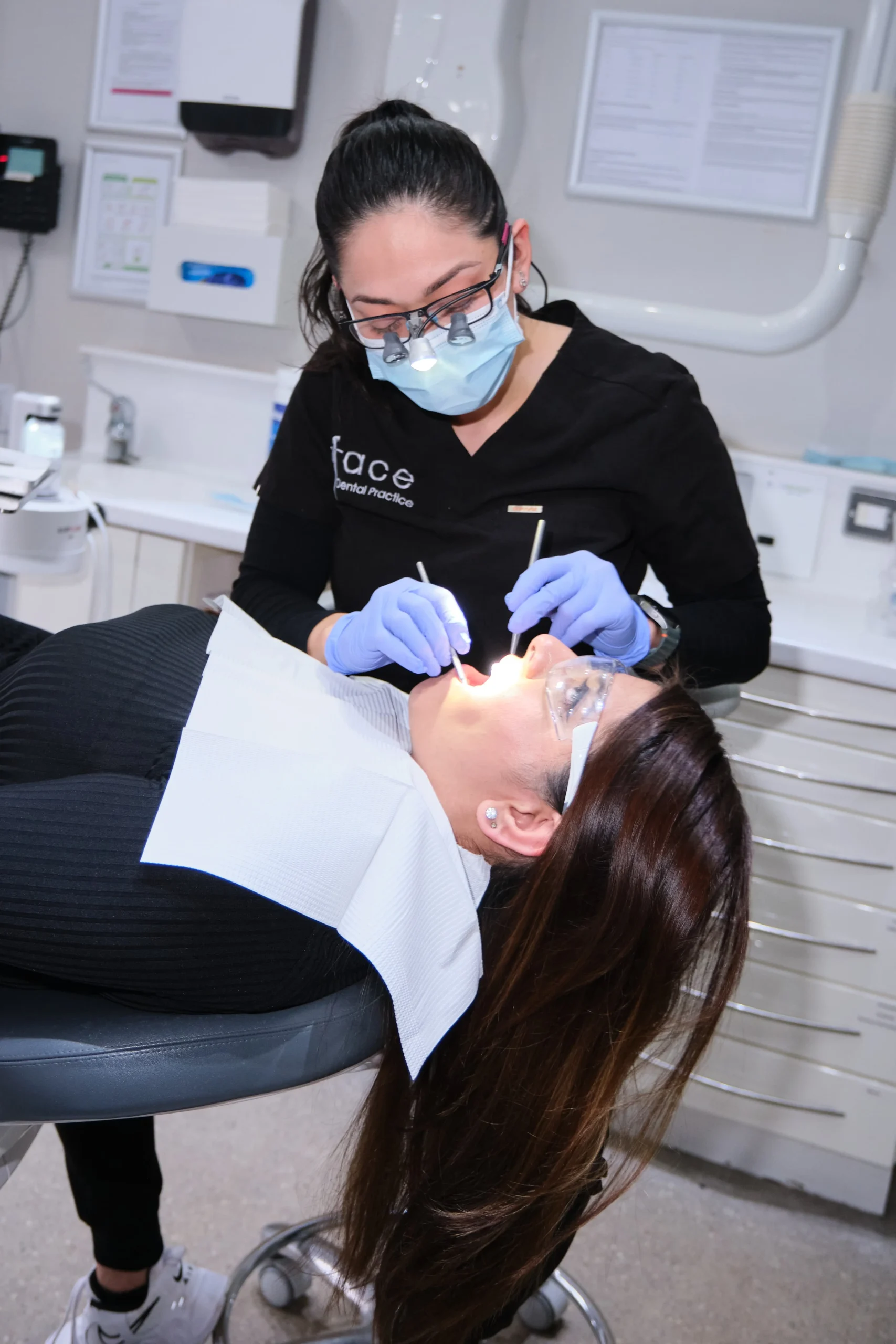
We'll examine the tooth and take an X-ray to see the root structure and surrounding bone. This helps us plan the best approach and identify any potential complications. We'll explain what needs to happen and answer all your questions.
~15 minutesLocal anaesthetic
We numb the area around the tooth with local anaesthetic. You'll feel a small pinch as the injection goes in, then the area will go numb within a few minutes. We won't start until you're completely comfortable and can't feel anything.
~5 minutesRemove the tooth
Once you're numb, we gently loosen the tooth and remove it. You'll feel pressure but no pain. For simple extractions, this is quick. Surgical extractions take longer as we may need to make a small incision or section the tooth.
~15 minutesAftercare instructions
We'll place gauze over the socket and give you clear aftercare instructions. This includes how to manage any discomfort, what to eat, when to brush, and warning signs to watch for. Most people recover fully within 3–7 days.
~10 minutesReplacement options
Once a tooth is removed, you'll want to consider replacing it to maintain your bite and prevent other teeth from shifting.
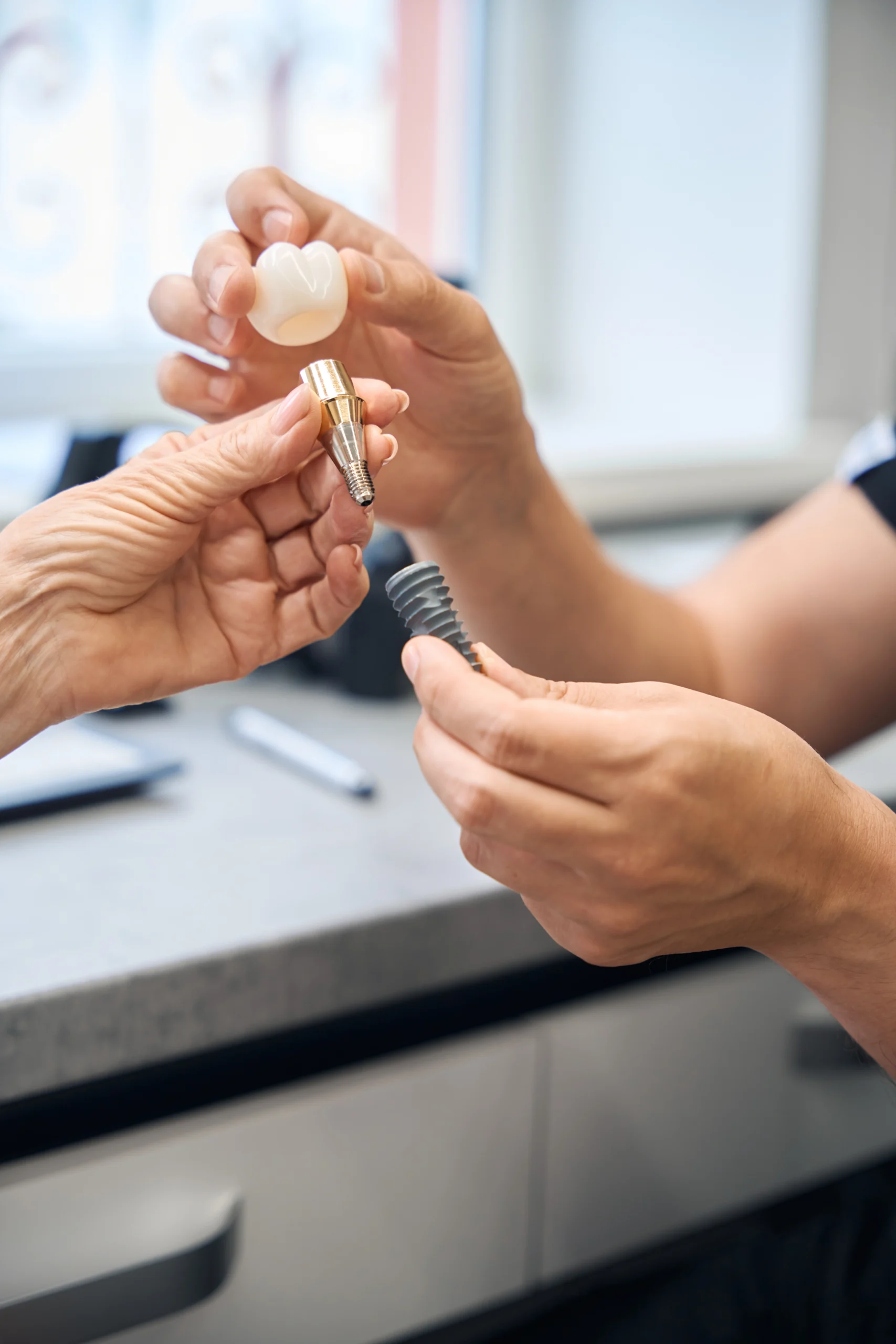
Dental implants
A titanium post placed in your jawbone, topped with a crown. Feels and functions like a natural tooth.
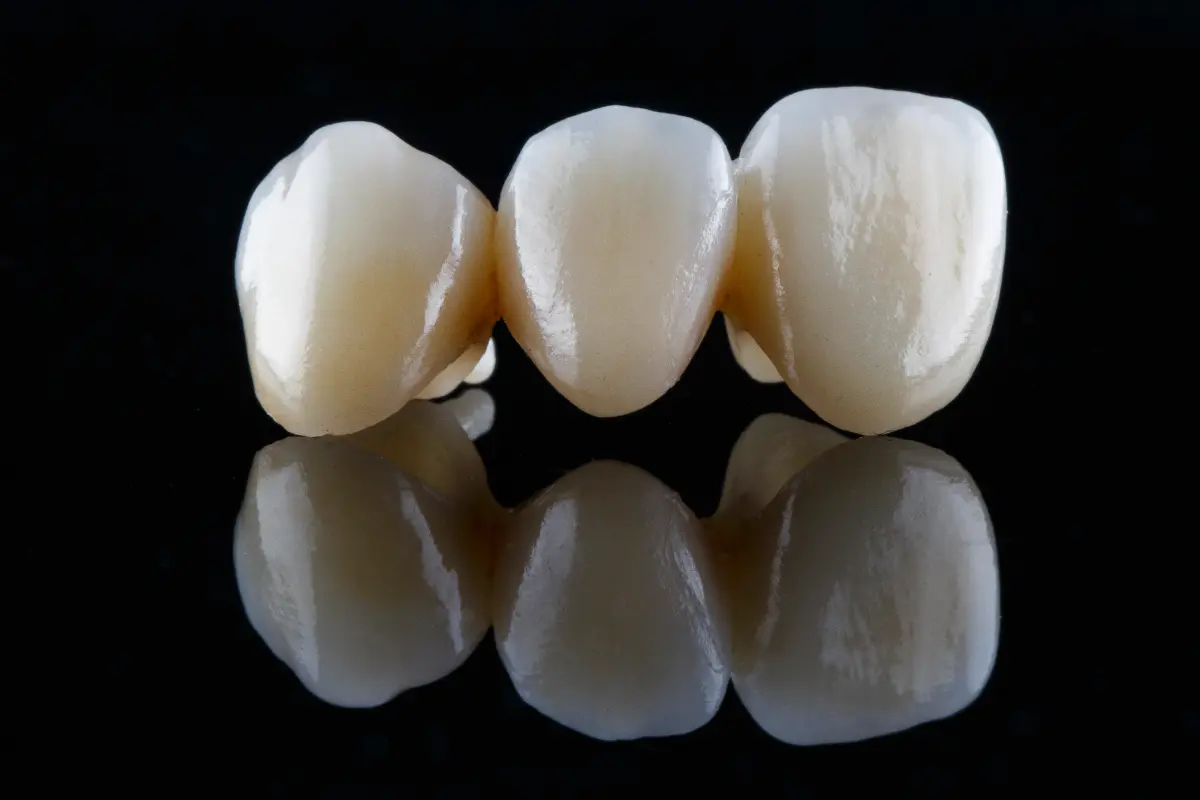
Dental bridges
A false tooth anchored to the teeth either side of the gap. Fixed permanently in place.
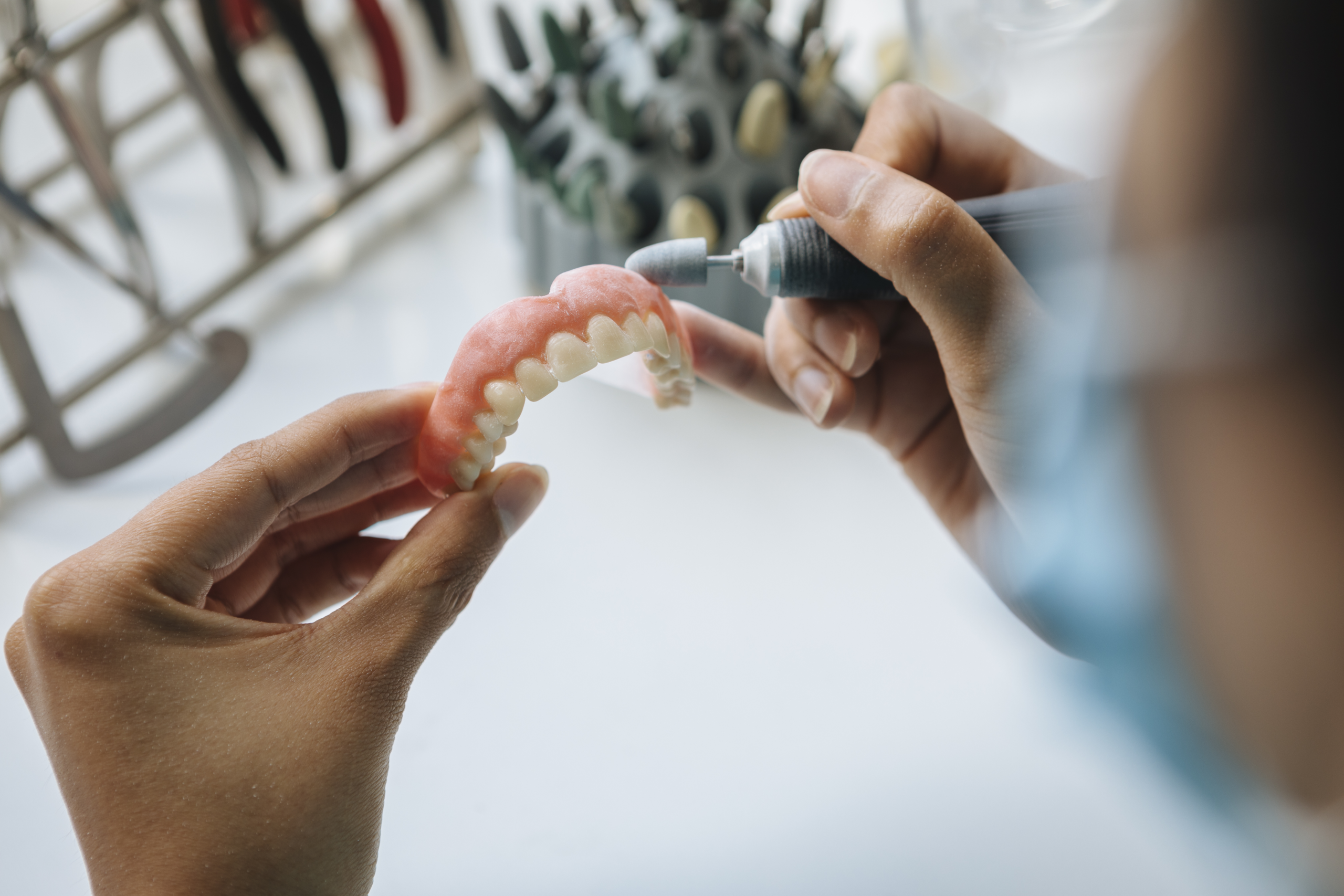
Dentures
Removable false teeth for one or several missing teeth. Modern dentures look natural and comfortable.
Not every tooth needs replacing. Back molars sometimes don't require replacement if the opposing tooth has also been removed. We'll advise you on what's best for your situation.
Tooth extraction FAQs
Everything you need to know about having a tooth removed. Can't find what you're looking for? Give us a call on 024 7650 1125.
Book appointment
No. We numb the area with local anaesthetic before we start, so you won't feel any pain during the procedure. You'll feel pressure as we work, but no sharp or painful sensations. After the anaesthetic wears off, you might feel some tenderness, but over-the-counter painkillers manage this well.
Simple extractions usually take 20–40 minutes from start to finish. Surgical extractions for impacted or broken teeth can take longer, sometimes up to an hour. We'll give you a realistic time estimate when we examine the tooth.
Stick to soft foods for the first few days: soup, mashed potato, scrambled eggs, yoghurt, smoothies. Avoid hot drinks for 24 hours, don't use straws (the suction can dislodge the clot), and stay away from crunchy, chewy, or spicy foods until the area heals. We'll give you a full list of do's and don'ts.
Most people feel back to normal within 3–7 days. The socket takes a few weeks to fully heal over, but you won't notice this happening. Any discomfort is usually worst on the first day and gets better quickly. If you have ongoing pain or swelling after a week, give us a call.
For simple extractions, most people return to work the next day or even the same afternoon. Surgical extractions might need a day or two off, especially if your job is physically demanding. We'll advise you based on your specific case and what you do for work.
We'll discuss replacement options before or after the extraction. Dental implants typically need 3–6 months of healing first. Bridges and dentures can often be fitted sooner. Not every tooth needs replacing, especially back molars, so we'll talk through what makes sense for your situation.

Need a tooth removed?
Book an appointment and we'll examine your tooth, explain the procedure, and answer all your questions. We'll make sure you're comfortable every step of the way.